


5.0
6 Oct 2026Verified learner
“Training helped improve performance management in our workplace. Training gives us framework of how our job duties and tasks should be completed, and, most importantly it centralizes knowledge in the...”
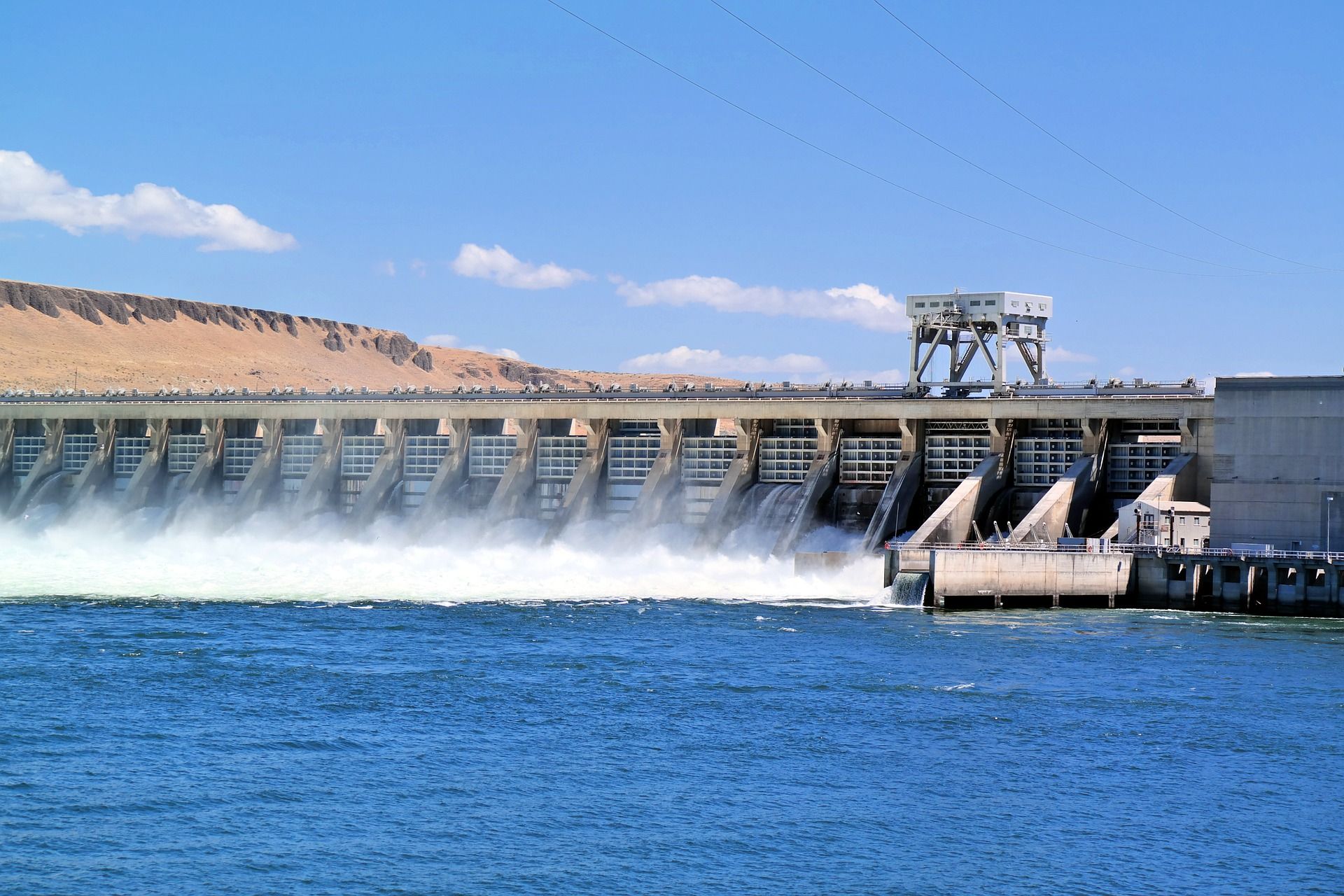
Dam Safety · Advanced · Online self-study
Dams, headworks, and irrigation networks are built to last for generations - often far longer than the career of any one professional managing them. As staff rotate and retire, critical knowledge about a facility's condition, history, and risks can be lost in the handover. At the same time, ageing infrastructure and a growing asset base mean more facilities need expert oversight than there are experts to provide it.
Why the Programme Matters
With the Dam Safety Act now in force and DRIP II underway, there's a growing need for trained dam-safety professionals at the field level - people who can coordinate with expert committees and panels on remedial measures and supervise their implementation. Full-spectrum dam safety expertise takes years to build and is in short supply. A technically informed middle tier of professionals is required - people who understand the core issues well enough to act as the first line of defence and communicate clearly with specialists when deeper investigation is needed. This programme builds exactly that layer.
What Participants Learn
Work of this nature requires a working knowledge of the science and engineering behind these structures, how they deteriorate over decades of use, and what that means for safety. The course covers the full dam-safety lifecycle, including:
Benefits to Organisations
Modern Technologies Covered
The programme is aligned with the Dam Safety Act, the Dam Rehabilitation and Improvement Project (DRIP), and modern infrastructure management practices. Participants are introduced to current investigation and monitoring approaches used across the dam-safety lifecycle, equipping them to work alongside expert panels and committees using shared methods and terminology.
Course Format
This is the first in a series of courses that progress toward greater specialisation. It's designed to be practical and lifecycle-focused, taught by engineers with direct project delivery experience — not a purely theoretical overview.
Who Should Attend
Professionals entrusted with directly managing and maintaining irrigation and multipurpose projects -particularly those with storage headworks and associated distribution networks. This includes engineers and managers accountable for facility safety and for reporting status up to senior management.
Course at a glance
Duration
6 months
Languages
English
Outcomes
The course content has been designed for fresh and practicing engineers who are involved with the dam operations, surveillance and safety assurance works and dam portfolio managers responsible for setting up dam safety programmes.
Section 1
This section will expose the participants to the following areas:
Section 2
This section will expose participants to the latest investigation techniques in the following areas:
Curriculum
Course faculty
View full faculty →
Mr. A. B. Pandya
Lead instructor
Ex- Secretary General, ICID & Ex- Chairman, Central Water Commission
Mr. Y K Handa
Co-instructor
Ex-CWC, Chief Engineer

Mr. Saibal Ghosh
Co-instructor
Chief Engineer, CWC

Mr. N K Mathur
Co-instructor
Commissioner, CAD, MOJS

Mr. Murari Ratnam
Co-instructor
Ex-Director, CSMRS

Mr. S K G Pandit
Co-instructor
Ex-CWC, Member
Testimonials
View all testimonials →5.00 avg rating
“Training helped improve performance management in our workplace. Training gives us framework of how our job duties and tasks should be completed, and, most importantly it centralizes knowledge in the...”
“All aspects of Irrigation Engineering covered. Basics and advanced techniques well explained. Detailed study materials provided. Good platform. Very informative.”
Related programs
Crosshole Seismic Tomography
Crosshole Seismic Tomography
Dam Geophysics